November 10, 2026, Hong Kong

Insights
In Conversation with Kevin Wong: What Makes a Beer Stand Out in Judging and in the Market?
From perfectly executed Pilsners and Helles to modern lagers and hop-forward beers, Hidden Gem Beer Co-founder and BJCP beer judge Kevin Wong shares what he looks for in a great beer and what can give a brewery genuine commercial potential.
In an increasingly competitive beer market, creating a product that captures attention is only part of the challenge. Breweries also need to think about balance, drinkability, technical execution, and whether the experience is strong enough to bring consumers back.
For Kevin Wong, Co-founder of Hidden Gem Beer and a recognized BJCP beer judge since 2020, some of the most impressive beers are not necessarily the most complex.
Having explored an extensive range of styles from hoppy IPAs and funky lambics to bold barrel-aged stouts, Kevin has developed a deep appreciation for both brewing tradition and innovation.
As a judge at the 2026 China Beer Competition, Kevin brings this combination of technical understanding, extensive tasting experience, and commercial awareness to the judging panel.
We spoke with Kevin about what immediately makes a beer stand out, what gives a product real commercial potential, where breweries can sometimes lose sight of consumers, and the beer styles and trends he is watching today.
With your experience tasting such a wide range of beer styles, what usually makes a beer stand out to you immediately?
A perfectly executed Pilsner or Helles would immediately capture my attention. These classic lager styles may appear simple and common, but they are among the most challenging styles to brew because there is nowhere to hide flaws. With so many commercial examples already available on the market, standing out requires exceptional balance, drinkability, and technical precision. Any flaws or off-flavors are quickly exposed, making consistency and execution critical. That's why, when it comes to a clean, authentic, and true-to-style example, it is particularly impressive, as it demonstrates a high level of brewing skill and attention to detail.

When judging a beer, beyond technical quality, what makes you feel that it has real commercial potential?
Beyond technical quality, I usually look for a strong marketing edge and product innovation. Beer with real commercial potential should be able to capture consumers' attention quickly while offering an experience that encourages repeat purchases. It needs to stand out in an increasingly competitive market, whether through a unique flavor profile, a compelling story, or a clear connection to current consumer preferences. At the end of the day, the most successful beers combine strong technical execution with broad consumer appeal.
What do you think breweries sometimes overlook when trying to make their beers appeal to today’s consumers?
I think breweries sometimes overlook the importance of drinkability and consumer experience. While product innovation and new brewing techniques can help a beer stand out in a crowded market, many consumers are ultimately looking for beers that are balanced, approachable, and enjoyable across different drinking occasions. Innovation may draw initial interest, but drinkability is what drives repeat purchases and long-term brand loyalty. A great beer should not only impress enthusiasts but also deliver an experience that keeps consumers coming back for more.

From IPAs and lambics to barrel-aged stouts, which beer trends or styles are you most excited about right now?
While I appreciate a wide range of beer styles, I am particularly excited about the continuing evolution of modern lagers and hop-forward beers. High-quality contemporary lager styles, including Rice Lagers, are gaining more attention, and I find it fascinating to see brewers applying technical precision and innovation to elevate these seemingly simple yet highly challenging styles. I am also interested in the development of modern IPAs, where brewers are focusing not only on hop intensity but also on balance and drinkability. The use of new hop varieties and innovative brewing techniques continues to create exciting drinking experiences while maintaining broad consumer appeal.

As a judge at the 2026 China Beer Competition, what are you most looking forward to discovering from this year’s entries?
I am looking forward to discovering beers that demonstrate outstanding balance, drinkability, and technical excellence, while also offering something distinctive that sets them apart in a competitive marketplace. Whether it is a well-executed lager, an innovative IPA, or a creative new concept, I always appreciate beers that not only perform well in judging but have the potential to resonate with consumers and succeed commercially.
Kevin’s perspective highlights an important consideration for breweries competing today: innovation can attract attention, but drinkability can determine whether that attention translates into repeat purchases.
His appreciation for Pilsners and Helles is particularly telling. While these styles can appear straightforward, their simplicity leaves little room to conceal brewing flaws. Producing an exceptional example therefore requires precision, consistency and a strong understanding of the fundamentals.
At the same time, Kevin sees considerable excitement in the evolution of modern lagers, including Rice Lagers, alongside the continued development of hop-forward beers and modern IPAs. Rather than innovation simply meaning greater intensity, he sees opportunities in beers that combine new ingredients and techniques with balance and accessibility.
For breweries, this creates a clear commercial consideration. A beer needs to give consumers a reason to notice it, but it also needs to give them a reason to order it again.

China Beer Competition
This balance between brewing quality and commercial potential is central to the China Beer Competition.
The competition is designed to recognize beers that not only demonstrate excellence in the glass but also have the characteristics needed to succeed in the marketplace.
Entries are evaluated by industry professionals with an understanding of beer, consumers, and the commercial beverage landscape, helping identify products that can perform beyond the judging table.
For breweries looking at China and the wider Asian market, Kevin’s insights provide a useful perspective on what can make a product relevant: technical precision, consistency, drinkability, differentiation and an understanding of what consumers actually want.
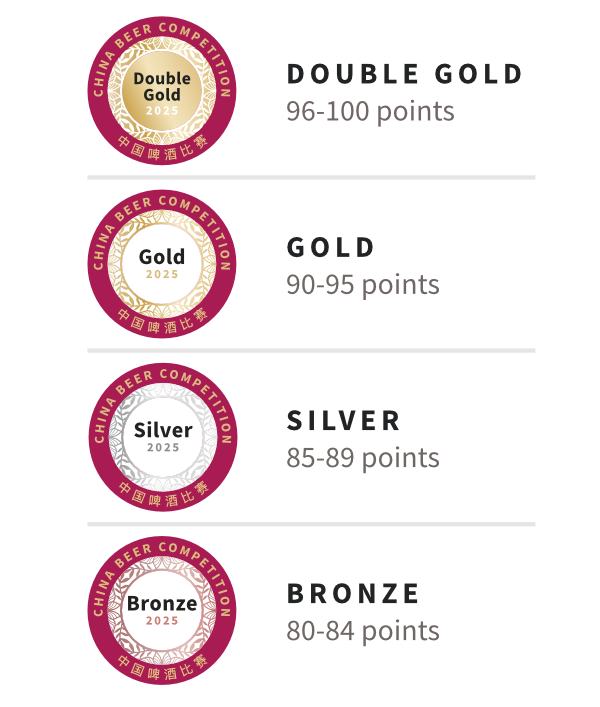
A medal at the China Beer Competition provides independent industry validation and gives breweries another tool to communicate the quality and commercial credentials of their beers to importers, distributors, retailers, hospitality professionals and consumers.
As the 2026 competition approaches, judges such as Kevin Wong will be looking for beers that can achieve exactly that balance—products that impress during judging while demonstrating the potential to resonate with consumers in the real world.
This interview was conducted by Ankita Okate, Chief Growth Officer & Head of Events at China Beer Competition, as part of an ongoing interview series featuring leading beer judges, buyers, brewers, importers, distributors, and beverage professionals.
Key Dates
Early Bird Deadline: July 31, 2026
Regular Deadline: October 14, 2026
Warehouse Deadline: October 22, 2026
Judging Date: November 10, 2026
Winners Announcement: November 24, 2026